Manufacturing ERP Without Limits
With us
Every Stage. Every Workflow. One Platform
Every Stage. Every Workflow. One Platform


From strategy to go-live - your trusted expert in Odoo implementation









Empowering businesses with smart, scalable, and seamless ERP solutions. At GSUS, we deliver efficiency, automation, and growth — making us your trusted partner for digital transformation.
Ontime Project Develivery
Successfull Project
Experienced Team
0%
GSUS delivers expert ERP guidance and end-to-end support - from implementation and customization to migration and integration. As a trusted ERP provider, we offer cutting-edge solutions for businesses of all sizes and industries.

Discuss goals and explore ERP with a live demo.

We'll provide a project overview with an initial cost estimate.

Share detailed requirements and confirm how they fit within ERP.

Get a detailed cost estimate and timeline before implementation.

Track weekly progress, test features, and refine requirements.

Train your team and validate all features before launch.
Global ERP solution for all businesses
Available in Cloud or On-Premises
Flexible per-user pricing
Built for small and mid-sized companies
Access 40,000+ apps on Odoo Marketplace
Worldwide ERP solution for all businesses
Deploy on Cloud or On-Premises
Flexible per-user pricing
Ideal for startups, SMEs & growing firms
Integrates seamlessly with 50+ Zoho apps

Smart Manufacturing for the Modern World

Digitize Your Construction Operations for Maximum Efficiency

From Lead to Lease - Manage It All with ERP

ERP Solutions Built for Wholesale & Distribution Success

Automate Retail Operations and Maximize Profits

End-to-End Visibility for Smarter Logistics Management

ERP That Keeps Your Restaurant Running Smoothly

Seamless Point of Sale Integration for Smarter Business

Simplify Travel & Hospitality Operations with Smart ERP
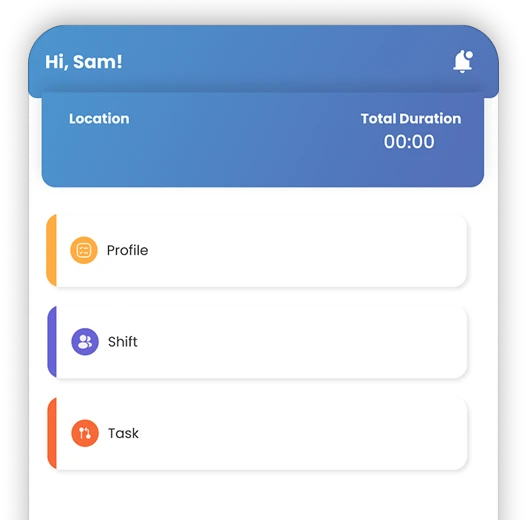
WorkTrack is a Track Management and task management system that gives businesses complete visibility into team performance.
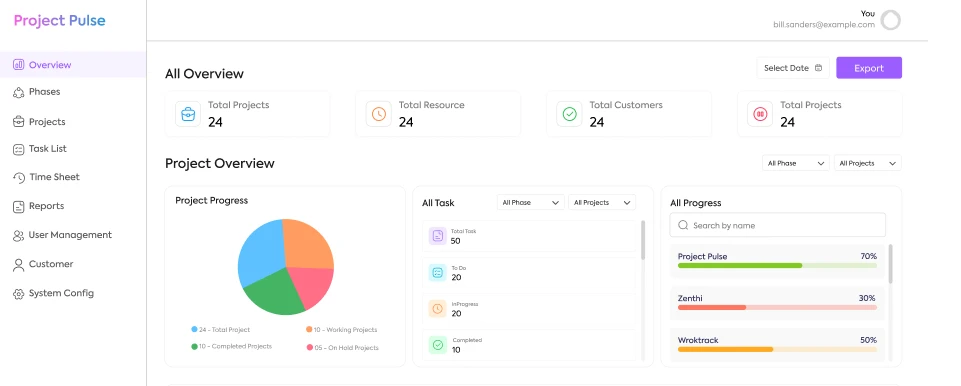
Manage projects smarter, faster, and with complete visibility using Project Pulse. From task tracking and team collaboration to deadlines and performance insights, Project Pulse helps businesses streamline project execution and improve productivity in one centralized platform.
GOATAPP engineering transforms traditional pen-and-paper goat farming into an intuitive, data-driven mobile platform. Built specifically for modern farmers, it eliminates manual errors, controls operational leakage, and helps scale herd productivity efficiently.
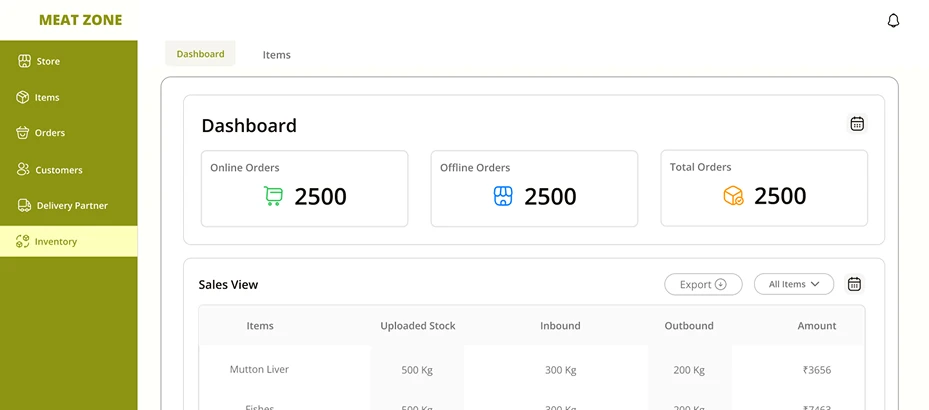
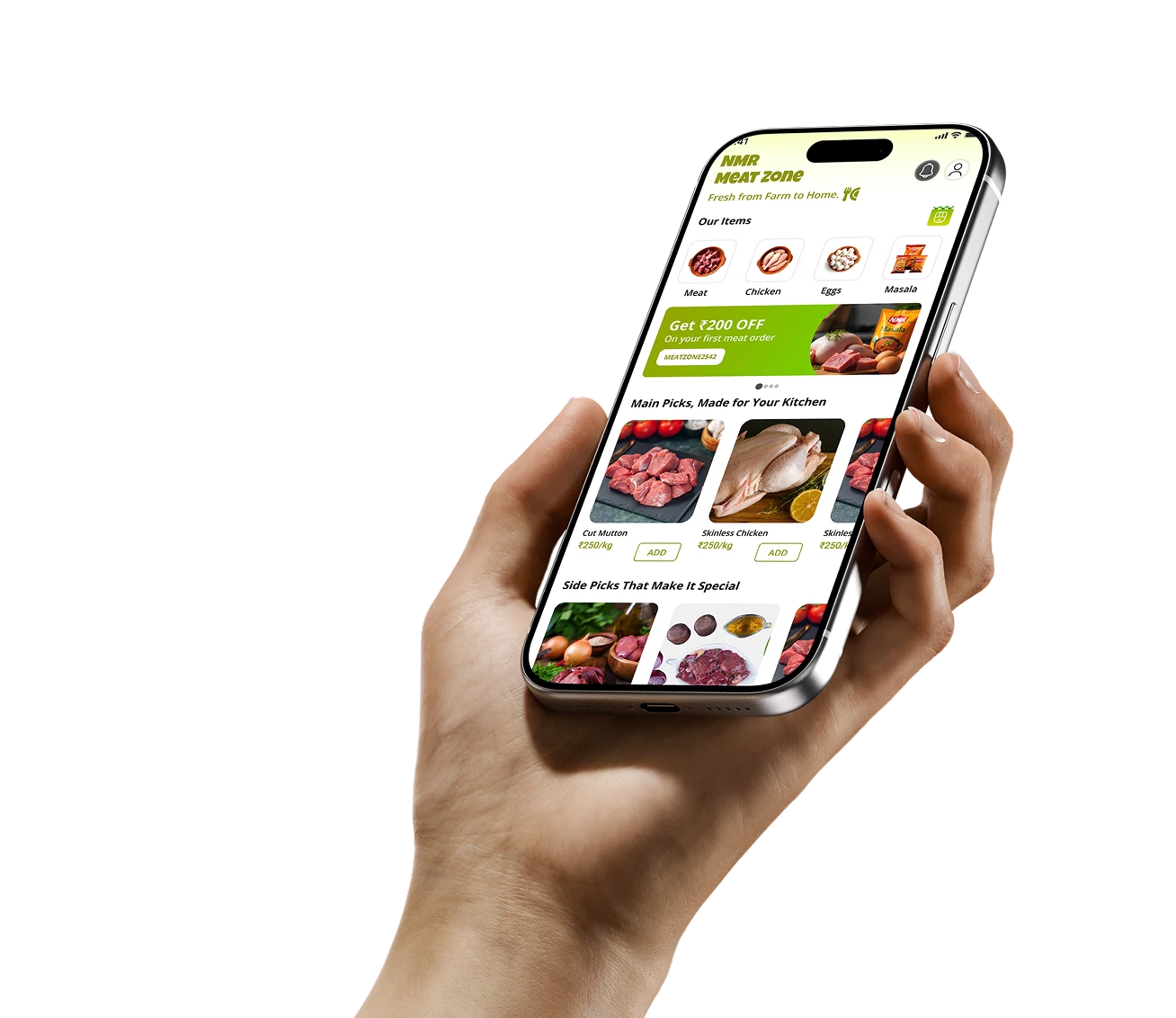
Meat App is an all-in-one, multi-platform digital meat retail ecosystem engineered to bridge the gap between premium fresh meat storefronts and modern-day consumers. It seamlessly unifies a high-conversion Customer App, a real-time Delivery App, an offline-ready Shop Staff POS Web/POS console, and a centralized Admin Panel.
Transform your business with a custom-built ERP applications.
We offer ERP implementation (SAP, Microsoft Dynamics), web/app development, AI, cloud, and digital solutions for businesses.
The implementation timeline depends on your business size and requirements. Typically, ERP deployment can take anywhere from 3 to 6 months, including planning, customization, testing, and training.
Yes, our ERP systems are fully customizable to match your organization’s workflow, industry standards, and specific operational needs.
We provide continuous post-implementation support, including system updates, performance monitoring, troubleshooting, and user training to ensure smooth operation.
ERP integrates all key business processes—finance, HR, supply chain, inventory, and more—into a single platform, reducing manual work, eliminating data duplication, and improving overall efficiency.
Absolutely. Modern ERP systems are scalable and cost-effective, making them ideal for small and mid-sized businesses to automate processes and grow efficiently.
Yes, our ERP solutions can seamlessly integrate with your existing applications such as CRM, accounting, or HR systems to ensure smooth data flow across platforms.
See how our solutions boost growth, streamline work, and deliver results.
Partnering with GSUS transformed the way we manage our business operations. With all our processes integrated into a single platform, we now have better visibility into inventory, finance, and customer activities, helping us improve efficiency and decision-making.
GSUS successfully replaced our outdated and disconnected systems with a fully integrated Odoo ERP solution. From production and inventory to HR and finance, every department is now streamlined, allowing us to operate faster and manage the business more effectively.
Before Odoo implementation, our teams relied on multiple software tools that slowed down daily operations. GSUS helped us unify everything into one centralized system, improving collaboration, accelerating workflows, and giving us better operational clarity.
As production demands increased, managing operations through spreadsheets became challenging. GSUS implemented Odoo ERP to streamline our workflow, enabling smoother inventory management, accurate dispatch tracking, and greater control over day-to-day operations.
Before Odoo, we managed records through Tally and Excel sheets, which made operations time-consuming. With GSUS implementing Odoo, our HR and accounting processes are now streamlined, while CMS helps us manage records more efficiently.
Managing operations through Excel and Tally created delays and manual work. With Odoo implemented by GSUS, our processes are now centralized, making daily operations simpler, faster, and more organized.